
Choosing the Right Metal for Your Ring
Different precious metals vary in color, durability, and care. This guide explains how gold, platinum, and palladium compare, helping you make an informed choice for your jewelry.
Understanding Precious Metals
Gold comes in more than one color. Platinum costs more than palladium. But what does that actually mean when you’re choosing a ring?
Pure gold is too soft for jewelry. That’s why it’s mixed with other metals—called alloys—to make it durable enough for everyday wear. The percentage of pure gold is measured in karats, and the specific alloys used create different colors and properties. Here’s what you need to know about each metal and how to choose the right one for your piece.
The Standard of Luxury
The Art Of Gold
Gold has been valued for thousands of years, and for good reason. It doesn’t tarnish, it’s easy to work with, and it holds its value over time.
But pure gold (24 karat) is too soft for jewelry. It bends easily and won’t hold stones securely. That’s why jewelry gold is combined with other metals to increase hardness while preserving gold’s natural beauty.
Understanding Karats:
- 24k = 100% pure gold (too soft for most jewelry)
- 18k = 75% gold, 25% alloy metals
- 14k = 58.3% gold, 41.7% alloy metals
- 10k = 41.7% gold, 58.3% alloy metals
The alloys mixed with gold determine both its color and durability. That’s how yellow gold, rose gold, and white gold are created, all starting from the same pure yellow metal.
yellow Gold
Yellow gold combines pure gold with copper and silver alloys. This maintains gold’s naturally warm, yellow appearance while making it strong enough for daily wear.
BEST SUITED FOR: Traditional jewelry lovers who want the classic gold look. Yellow gold complements warmer skin tones and requires no special maintenance or plating. It is timeless, versatile, and never goes out of style.
WHAT YOU SHOULD KNOW: Higher karat yellow gold (18k) has a richer color than lower karat options like 10k or 14k because it contains more pure gold. All karat weights are durable for everyday jewelry, but 14k offers the best balance of strength and color for rings worn daily.
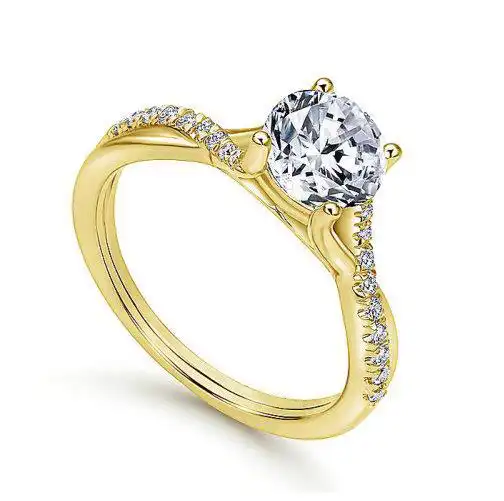
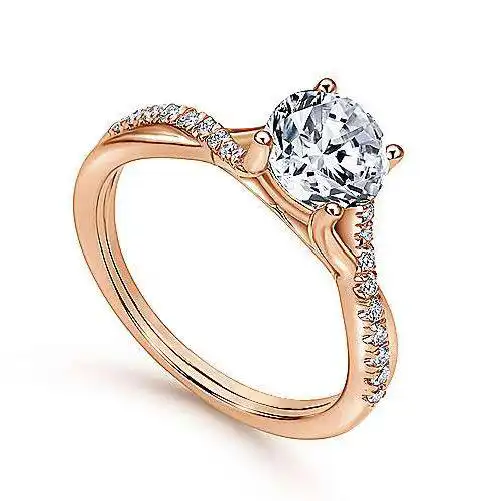
Rose Gold
Rose gold gets its distinctive pink hue from copper mixed with pure gold. The more copper in the alloy, the deeper the pink tone.
BEST SUITED FOR: Anyone looking for something beyond traditional gold. Rose gold has grown popular for engagement rings and fashion jewelry. Its warm, romantic tone complements all skin tones and pairs beautifully with diamonds and colored gemstones.
WHAT YOU SHOULD KNOW: Rose gold is just as durable as yellow gold and the copper that gives it color also adds strength. The pink tone won’t fade or wear off because the color comes from the metal itself, not plating. Some people with severe copper allergies may react to rose gold, though this is uncommon.
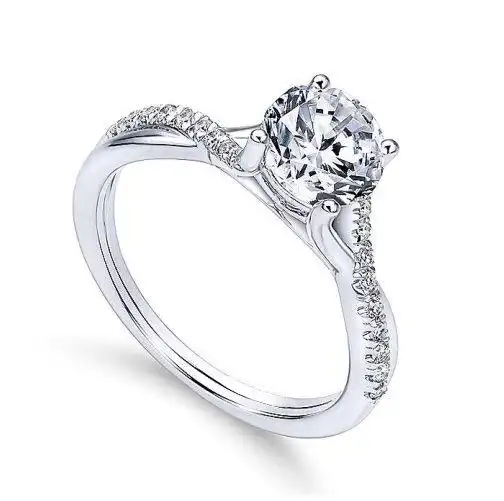
White Gold
White gold is yellow gold combined with white metal alloys like palladium or silver, then plated with rhodium, a bright, reflective metal in the platinum family.
BEST SUITED FOR: People who want platinum’s bright white look at a lower cost. White gold is especially popular for engagement rings because the white metal makes diamonds appear brighter and whiter.
WHAT YOU SHOULD KNOW: The rhodium plating gives white gold its bright white finish, but it wears off over time with daily wear—typically every 1-3 years. Re-plating is quick (usually done same-day) and inexpensive, but it’s an ongoing maintenance requirement.
Some white gold alloys contain nickel, which can cause reactions in people with metal sensitivities. If you have sensitive skin, ask about nickel-free white gold alloys or consider platinum or palladium instead.
Platinum
Platinum is the most durable and rarest of the precious metals. It’s naturally white, never needs plating, and is hypoallergenic.
BEST SUITED FOR:
Engagement rings and wedding bands meant to last a lifetime with minimal maintenance. Platinum’s density makes it excellent for securing valuable stones. It’s also the top choice for anyone with metal allergies.
WHAT YOU SHOULD KNOW:
Platinum is heavier than gold. A platinum ring will have noticeable weight compared to a gold ring of the same size.
When platinum scratches, the metal displaces rather than wearing away. This means your ring maintains its weight and doesn’t thin over time. Platinum develops a soft, matte finish called patina with wear. Some people love this natural, vintage look. If you prefer bright shine, platinum can be polished anytime to restore its original luster.
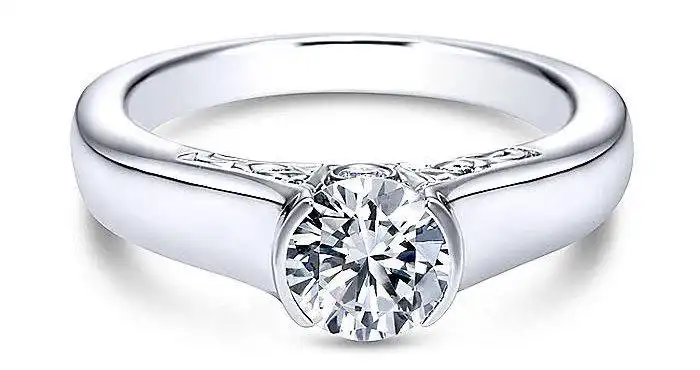
Palladium
Palladium belongs to the platinum metal family but costs significantly less—often similar in price to 18k white gold. It’s naturally white, hypoallergenic, and durable.
BEST SUITED FOR: Anyone who wants platinum’s benefits without the premium cost. Palladium is ideal for people who prefer lightweight jewelry or have metal sensitivities. It’s a smart choice for wedding bands and everyday rings.
WHAT YOU SHOULD KNOW: Palladium is much lighter than platinum, making it comfortable for people who don’t like heavy rings. Like platinum, it’s naturally white and never needs rhodium plating to maintain color.
Palladium is less common than gold or platinum, so not all jewelers work with it regularly. If you need resizing or repair down the road, you may need to find a jeweler experienced with palladium. We work with palladium and can advise whether it’s the right choice for your specific piece.
Waxhaw's Top Jewelry Store
Visit our store to discover your next favorite piece in person.
While our designs are world-class, our home is right here in the local community. We invite you to step into our boutique to feel the weight of our metals, see the fire in our stones, and discuss your vision face-to-face. Whether you’re stopping by after a Saturday morning at the Farmer’s Market or looking for a private consultation, our doors are open to help you find or create something truly extraordinary.
For a more personal experience